‘My sanctuary’: Residents move into new Vernon supportive housing building
Published 2:06 pm Wednesday, January 28, 2026
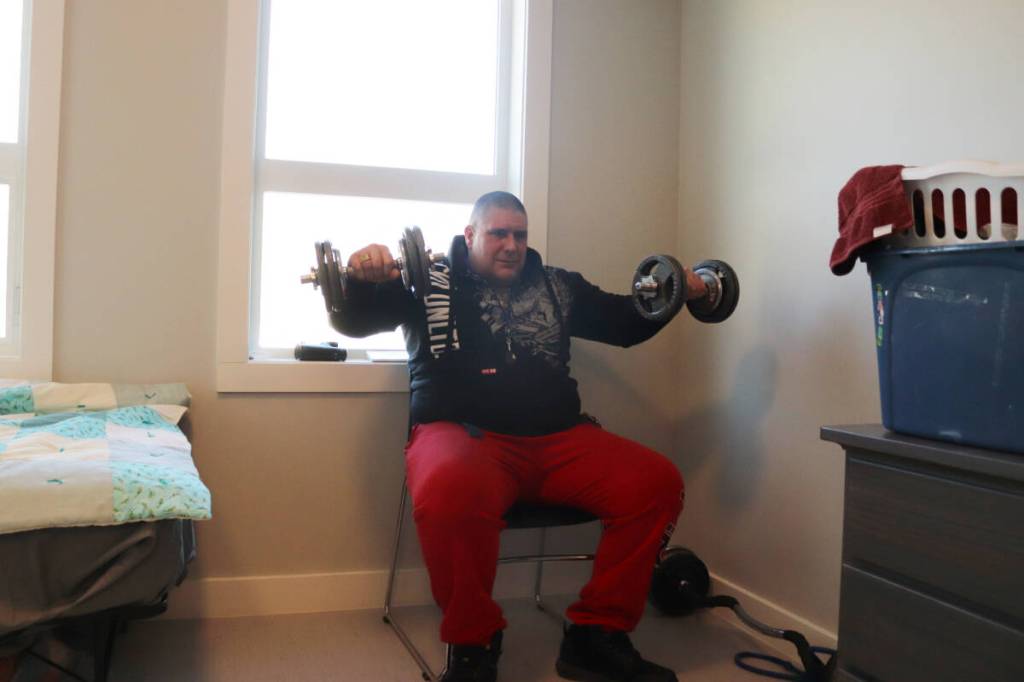



Dave remembers staying at a shelter in Vancouver 10 years ago. The memories are painful to relive.
“I remember there was a big old needle bucket in the middle of the floor, and I thought, if my grandma saw me here, she would be very upset to see me in such a harsh, harsh place,” he said.
“I think she would be happy to see where I’m at right now.”
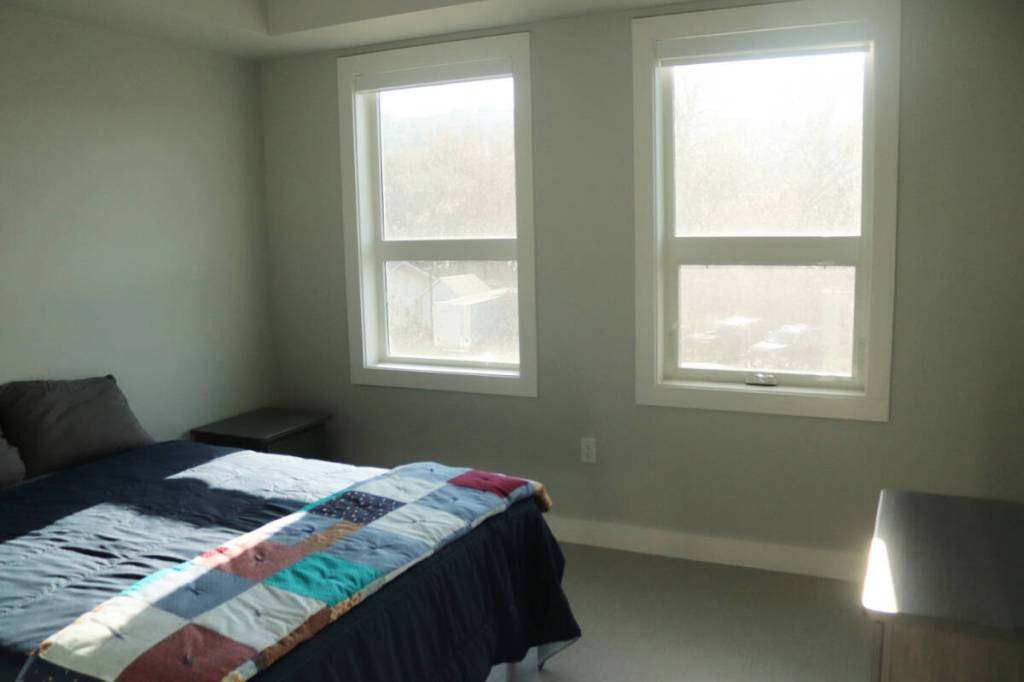
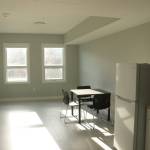
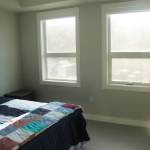
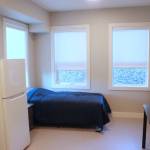
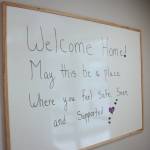
Dave said this while sitting in his freshly constructed and newly opened unit at The Willows on 43rd Street in Vernon on Wednesday, Jan. 28. The Willows is a supportive housing building designed to provide safe, stable and inclusive homes for people at risk of homelessness and in need of support services to maintain their housing.
People who had few options to stay off the streets are moving into 52 “deeply affordable” homes with on-site supports designed to promote stability, independence and, at the heart of it, long-term housing success, according to Turning Points Collaborative Society, the organization that operates the building.
Dave moved into The Willows about a week ago, and more tenants will move in over the next few weeks until the building is at full capacity with 55 residents.
Already, Dave’s apartment shows signs of domestic stability.
Shoes are lined neatly on the floor. A corner of the spacious unit has become a little gym with dumbbells for weightlifting. A table near the centre of the unit has materials for the reading and writing that Dave enjoys pursuing.
Everything is in its place, and as many who have homes take for granted, everything will stay in its place.
Dave previously lived in The Crossings supportive housing building on 35th Street. Before that he spent time in the local shelter, where belongings often get shuffled around, if not stolen.
“It definitely held me back in ways of peace of mind. (Here) your stuff’s safe, you don’t have to worry about anything. When you go home, it’s the way you left it. And it’s just a really good feeling,” he said.
“Here I can have my weights and stuff, and I can have all my stuff I need. There’s no worry about it getting taken from me.”
Randene Wejr, executive director of Turning Points, said seeing people like Dave move in can be emotional for the people who have worked hard to make The Willows a reality.
There’s a difference in residents’ body language, she said.
“If someone comes from the street or from the shelter and comes over here and they have their own space, it’s a beautiful thing to see,” she said.
Wejr said the much discussed ‘housing first’ strategy of getting people off the streets is still relevant, but it also needs to be coupled with providing health, which is what The Willows aims to accomplish with its medical room fitted for doctor’s visits, its pharmacy integration and its food services which offer a nutrient-rich diet to residents. On the wellness side of things, The Willows aims to be a place of belonging and community, with games and activities for residents.
“There’s those two ideologies that go together, because if you provide somebody housing but you don’t put any supports in and you don’t help them learn their life skills, you don’t help them get on the right medications, you don’t help them get to their doctor’s appointments, you don’t help them get hooked up to any type of health, you’re only band-aiding the issue,” Wejr said.
Assessments are done through BC Housing and Turning Points to determine who is a good candidate to live in supportive housing buildings like The Willows, and Wejr assured that everyone moving in is local to Vernon.
Vernon’s 2025 homeless count found there were 199 people living either in a shelter or unsheltered on the streets. That number is likely to be much higher due to the limitations of the point-in-time count. However, it is down from the 279 individuals experiencing homelessness that were counted in 2023.
Vernon Mayor Victor Cumming said The Willows brings the city up “close to that 200 number” in terms of the number of supportive housing units in town, but he said work isn’t finished and Vernon needs to get to above 300 supportive housing units. Wejr said she’s not aware of any plans for another supportive housing project in Vernon at this time, though plans are in the works in other Okanagan communities where Turning Points is also established.
The Willows is located away from Vernon’s two other supportive housing buildings, The Crossings and My Place, near Upper Room Mission. Cumming said having these buildings close together hasn’t been an issue, but also said that having space between supportive housing buildings is “always good” to allow for better integration of residents into neighbourhoods, if land availability allows.
Cumming said The Willows is “a very efficient spot to be” and will have “minimum impact on neighbours.”
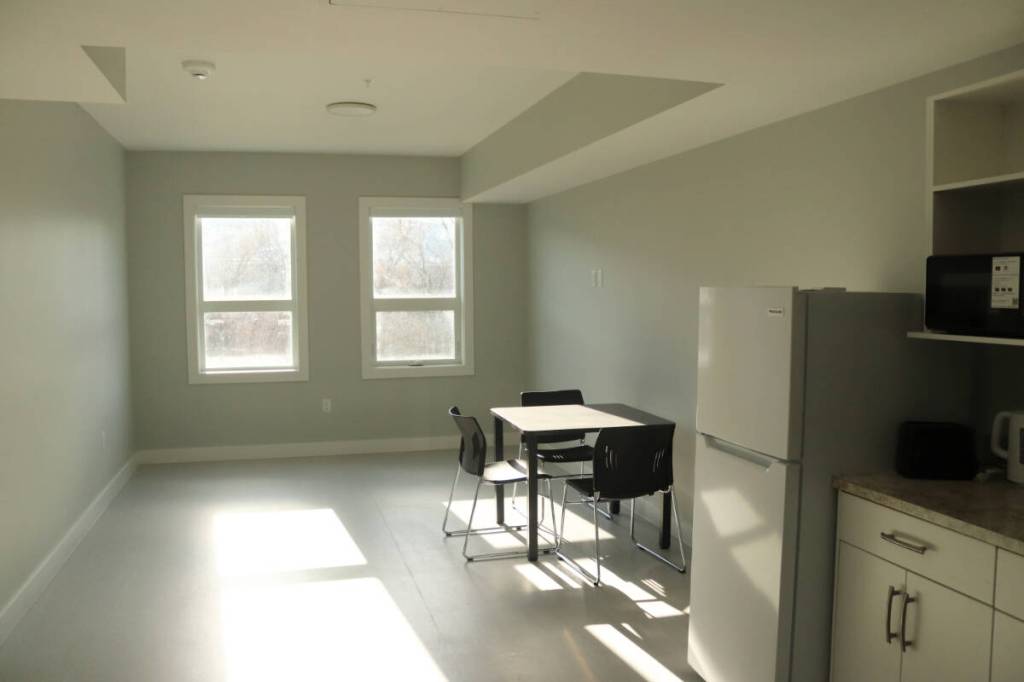
Each resident will have a private washroom and kitchenette, along with access to shared amenities such as laundry, lounge, dining, and outdoor spaces. A commercial kitchen will support daily meal programs. Safety measures will include 24/7 on-site staffing, secure fob access, and camera monitoring.
If not for a place like The Willows, Dave isn’t sure where he’d be. He said he could be in a shelter, or he could be on someone’s couch. He could even be camped out somewhere outside.
Now, he has a place where he feels safe, warm and comfortable. He describes his unit as his “little sanctuary.”
“I feel like I can do whatever here now,” he said, explaining he might look into doing some schooling or work in the orchards in the area.
Dave said others in similar situations as himself will surely benefit from the new spaces.
“This is going to really help me get on with my life, and I think it’d help anybody that has a decent, clear perspective of what they want to do.
“I think it certainly gets them to second base,” Dave said.
He might now be feeling like he just hit a stand-up double.